-
Engineering an analytics pipeline for water logger data and environmental event detection
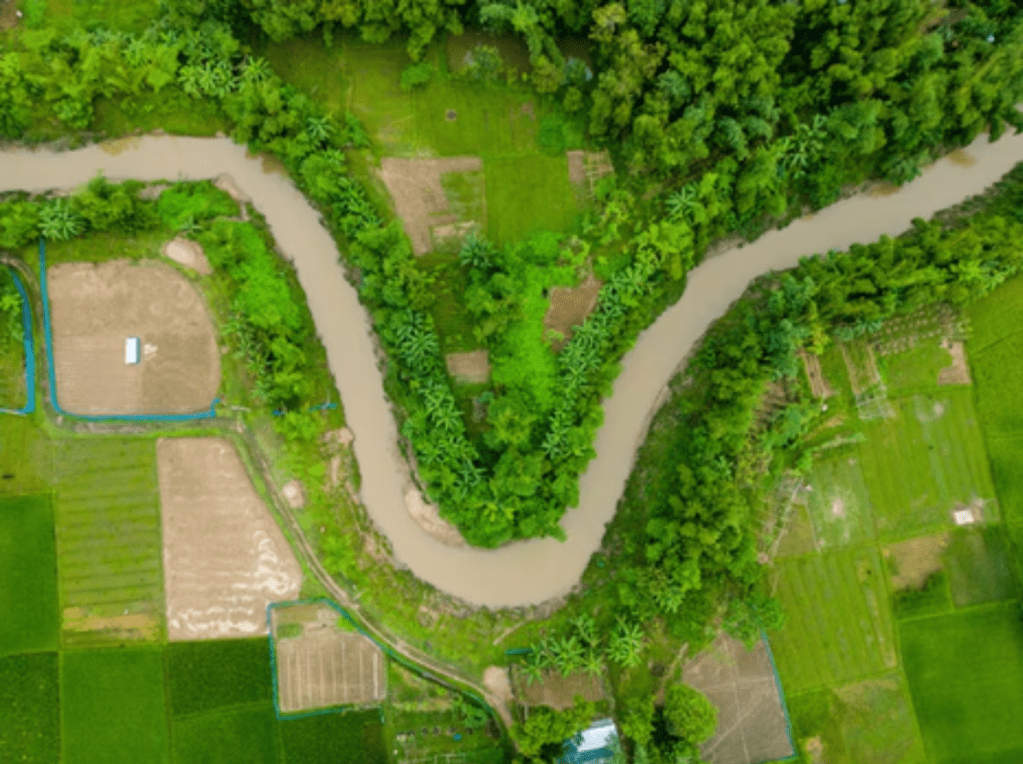
Photo by Abdul Kayum on FreeImages Validating satellite-derived wetland inundation maps requires a ground-truth baseline of water levels over time. In-situ submersible water level loggers provide this continuous time-series data. However, raw data downloads from field loggers are highly granular, noisy, and prone to environmental fluctuations, making them unsuited for direct comparison with satellite imagery.…
-
From manual work to smart automation: Mapping flooding in wetlands
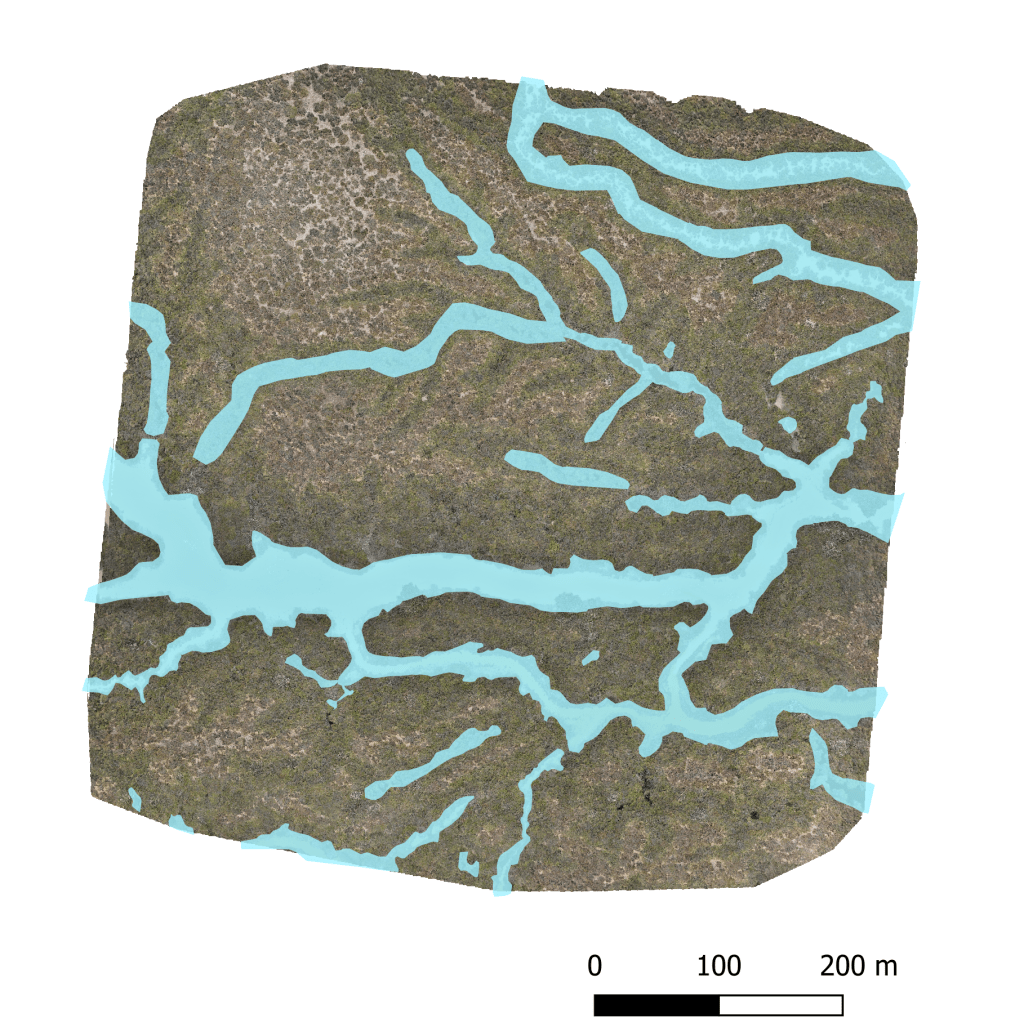
Using AI to map wetland flooding using satellite imagery. Image by Marie Attard I’ve been working on a fascinating challenge in the NSW Murray-Darling Basin: taking massive amounts of environmental data and using automation to map where water flows. Tracking large-scale wetland flooding and water movements Traditionally, tracking floods and water movement across millions of…
-
Building a reproducible spatial data pipeline: Python workflows for basin-scale wetland hydrology
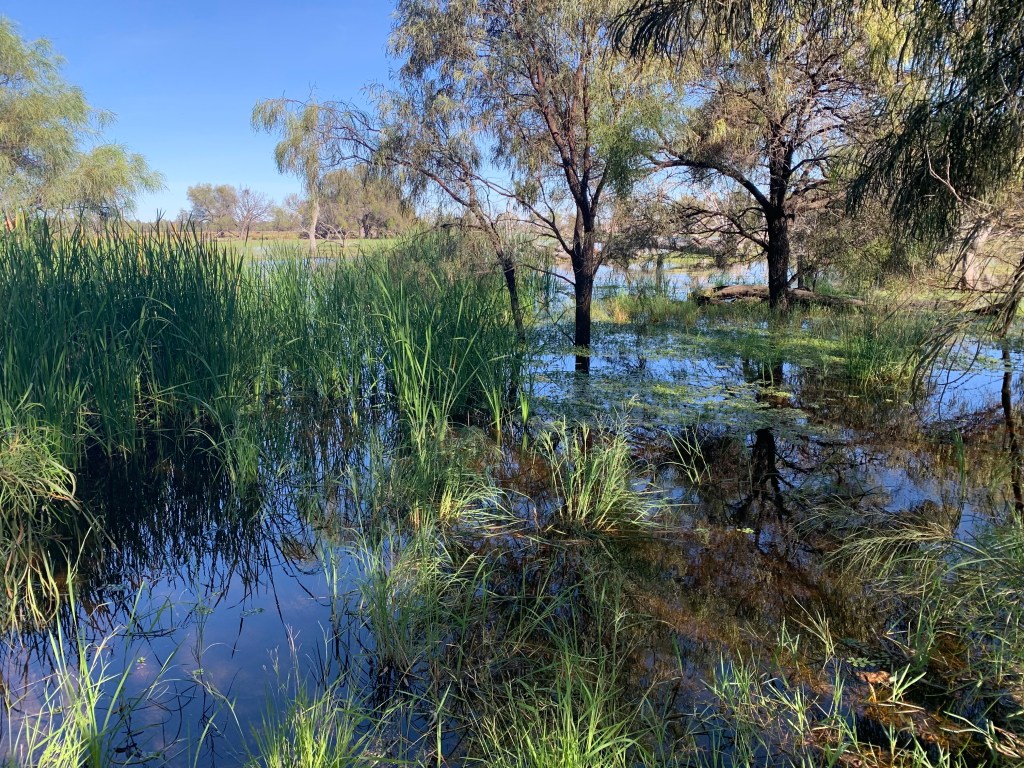
Murray Darling River. Photograph by Marie Attard The NSW Murray-Darling Basin spans one of Australia’s most complex river and wetland networks, making large-scale geospatial analysis a challenge. To map water dynamics effectively across this region, I built a reproducible Python workflow that transforms raw geospatial data into actionable insights, helping uncover wetland distribution patterns and…
-
Toothed whales from space: Counting stranded individuals using optical and SAR satellite imagery
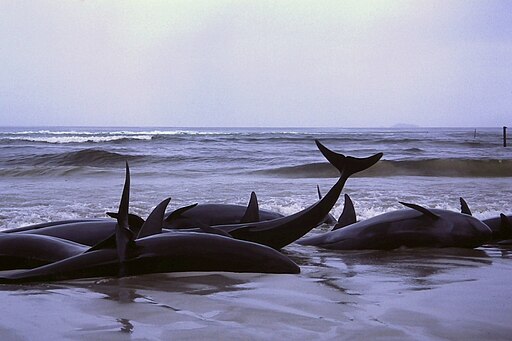
Photo credit: 1986 beached whales in Flinders Bay” by Bahnfrend is licensed under CC BY-SA 3.0. Cetaceans—whales, dolphins, and porpoises—play a crucial role in marine ecosystems. Their health and population trends serve as indicators of oceanic well-being, helping scientists understand environmental changes and emerging threats. One of the most valuable sources of information about cetacean…
-
Monitoring seabird populations on South Georgia: Advancements in remote Sensing
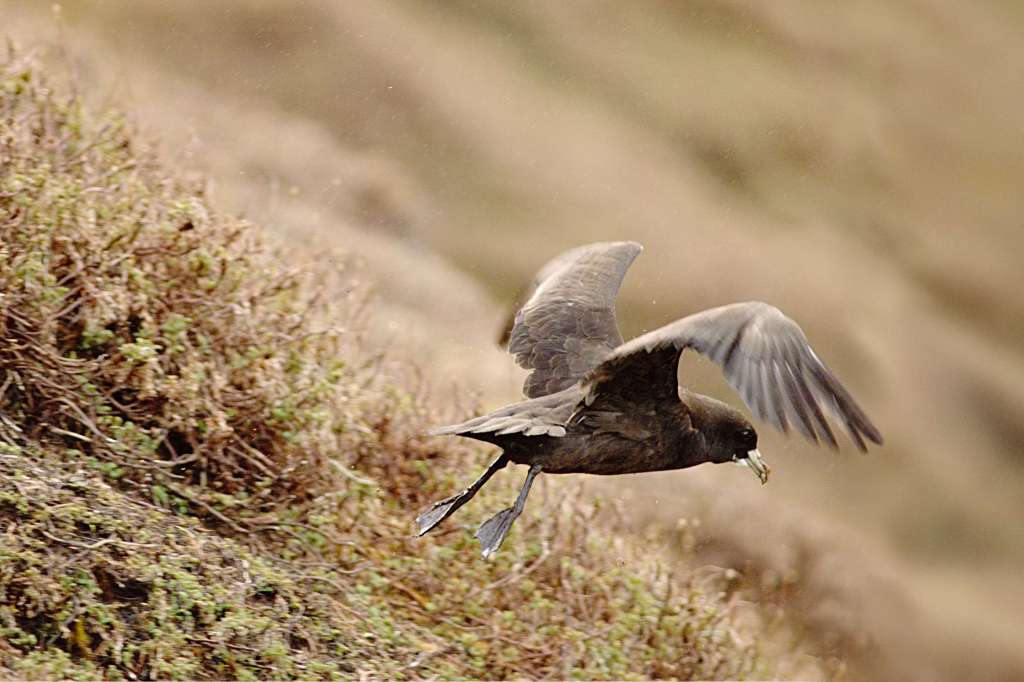
Credit: White-chinned petrel taking off. Photo by François Guerraz. Creative commons licence. South Georgia hosts globally important populations of seabirds, but many of these populations are declining due to human impacts. Four species of albatrosses and white-chinned petrels are particularly affected by bycatch from fishing activities, while South Georgia shags are experiencing declines linked to…
-
Exploring eggshell evolution: How surface structure aids bird survival across habitats

Birds are among the most adaptable and widespread tetrapods on Earth, thriving in environments from icy glaciers to arid deserts. One key to this success lies in the remarkable adaptability of their eggs, particularly the diverse structures of their eggshells. By exploring eggshell surface textures and patterns, researchers are uncovering how these features help birds…
-
Citizen science campaign: Monitoring wandering albatrosses using very-high resolution satellite imagery

Albatrosses, including the iconic wandering albatross with its record-breaking wingspan, are facing serious threats to their survival. With more than 100,000 albatrosses dying annually as a result of bycatch in longline fisheries, combined with invasive predators and disease, these majestic seabirds are in urgent need of effective conservation actions. Our citizen science campaign, launched as…
-
Hunter of scavenger? Predatory behaviour of the extinct Haast’s eagle
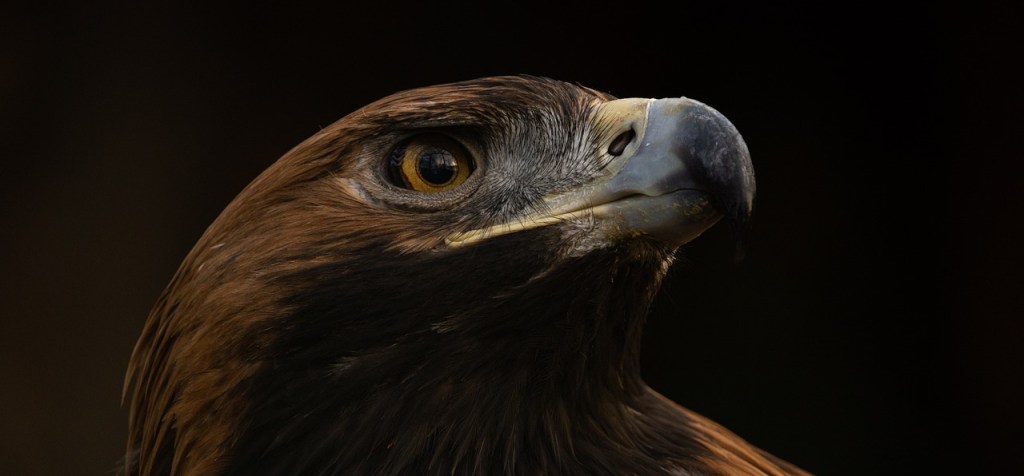
Image by Jevgeni Fil from Pixabay Haast’s eagle Harpagornis moorei was once the largest known eagle, weighing in at 20 kg – nearly 50% heavier than the largest modern eagles. This fearsome predator, now extinct, was capable of taking down prey much larger than itself, including the giant moa, which weighed between 20-200 kg. However,…
-
Avian eggshell conductance and life history: How birds adapt to extreme climates
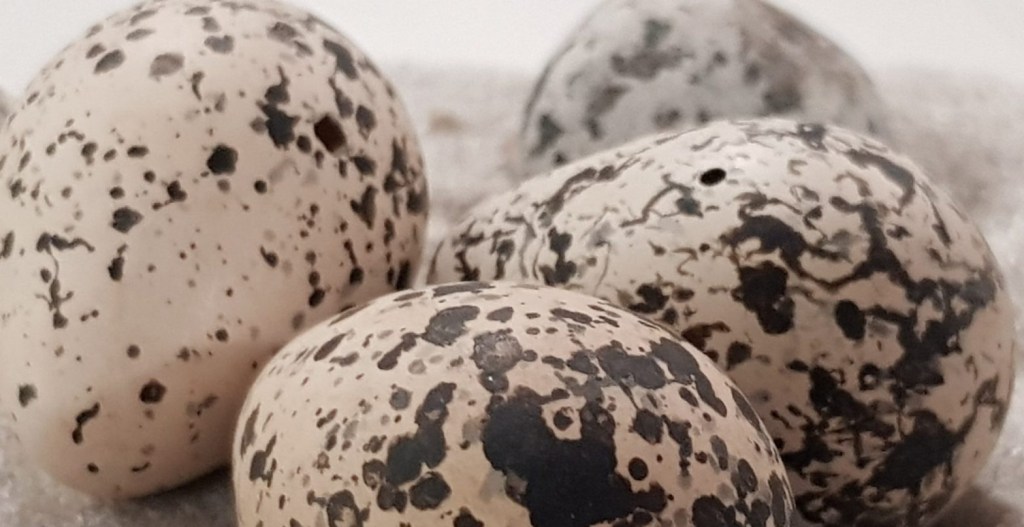
Bird embryos rely on their eggshells for the careful exchange of water vapour and gases essential to their survival. This exchange process—called eggshell conductance—is surprisingly sensitive to environmental factors, and it varies across bird species that breed in vastly different habitats. Our recent research explores how climate and life-history traits influence eggshell conductance, aiming to…
-
The biological time machine: using whiskers to monitor the behaviour of Tasmanian devils
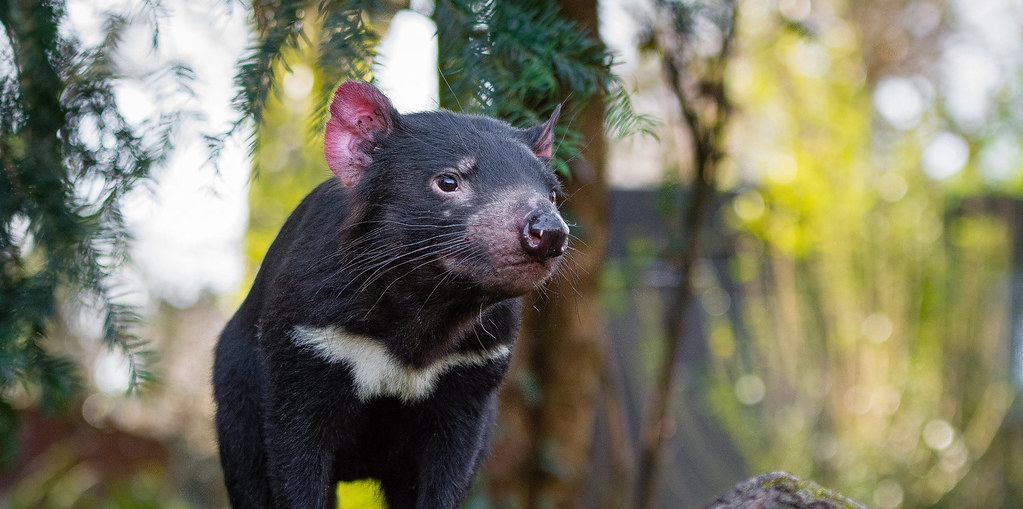
Efforts to conserve the endangered Tasmanian devil are often hindered by a limited understanding of their behaviour in the wild. To address this, innovative approaches are needed to gather data on their diet and movement patterns. One promising technique involves analysing the stable isotope signatures in animal tissues, which can provide valuable insights into an…


