
Exploring, protecting, and conserving species through data-driven science

About me
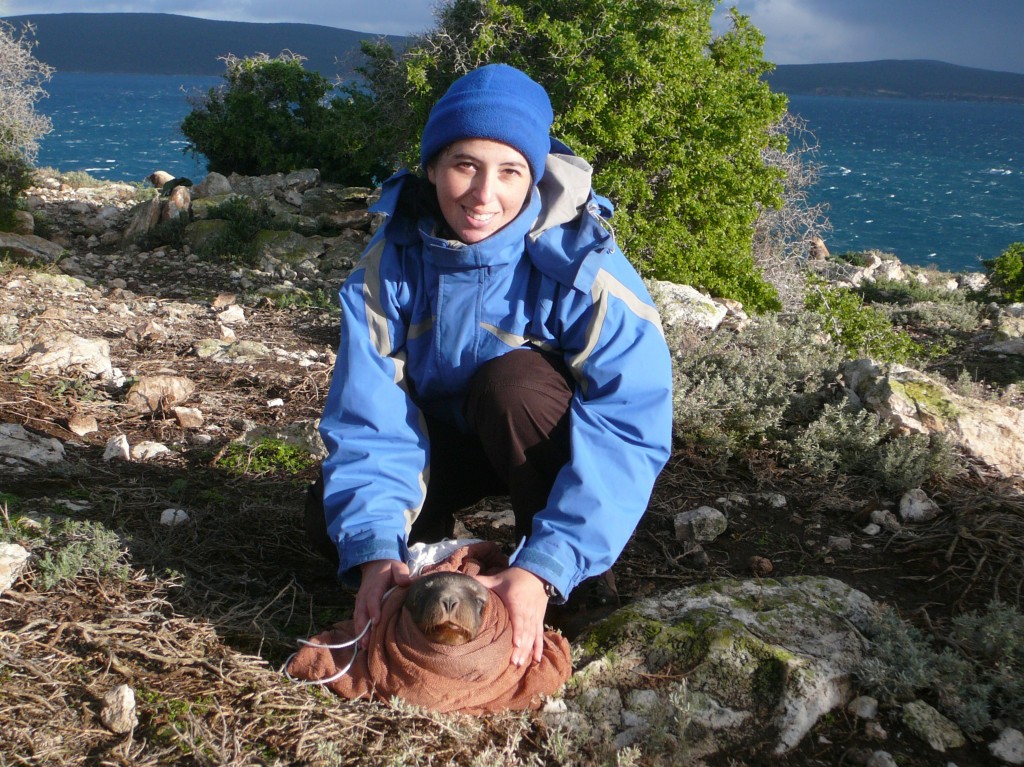






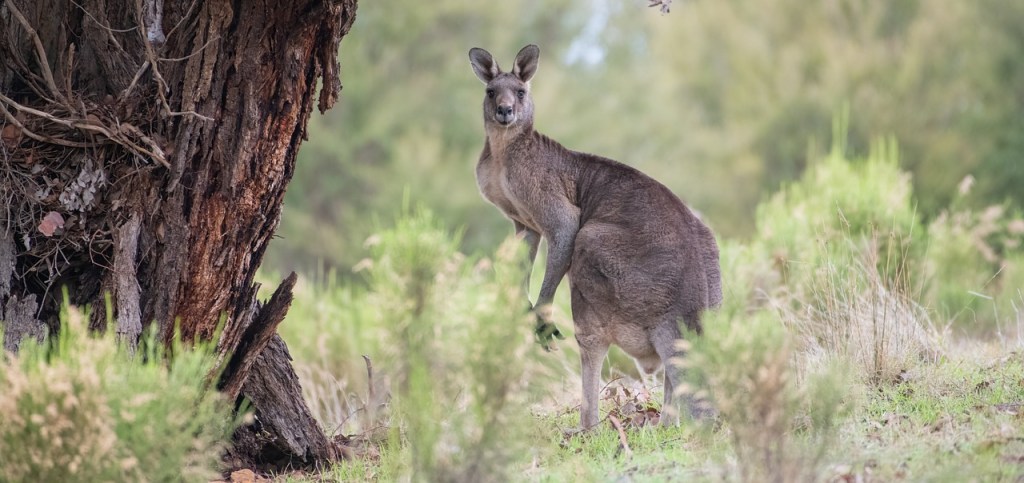


I am an Environmental Scientist (Spatial) in the Water and Wetlands team in the Department of Climate Change, Energy, the Environment and Water (DCCEEW). I use drone, aerial, and satellite imagery to monitor wetland inundation and assess the ecological outcomes of environmental flows across the NSW portion of the Murray–Darling Basin. My work focuses on developing new spatial methods to better understand wetland regimes in complex environments, and collaborating closely with vegetation, waterbird, and frog monitoring programs to support evidence‑based environmental management.
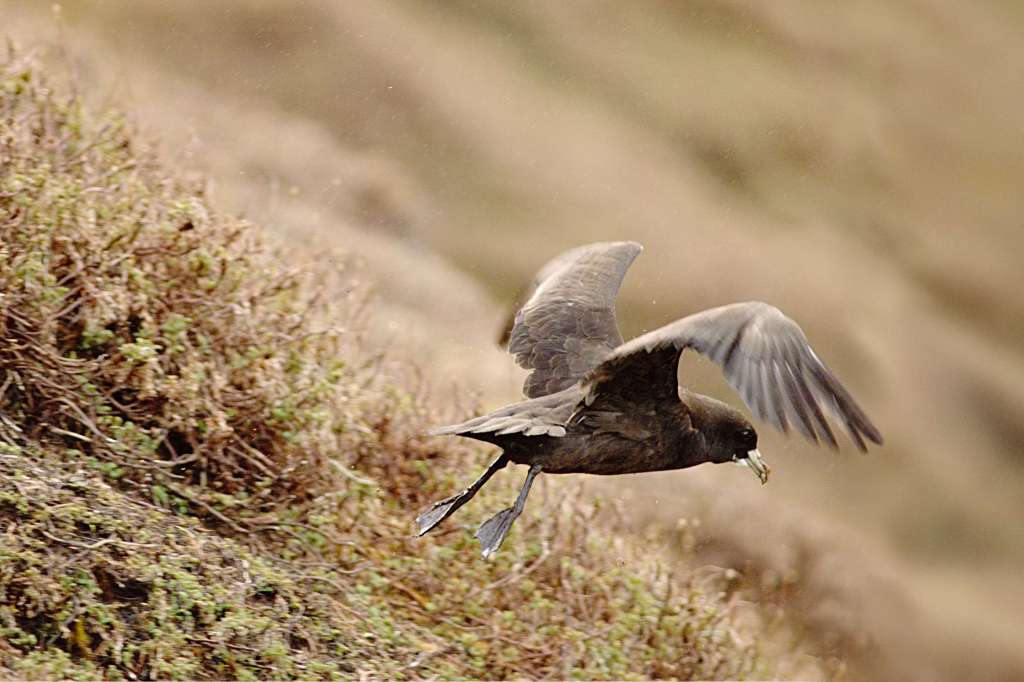
Previously, I worked as the Seabird Remote Sensing Ecologist with the British Antarctic Survey’s Wildlife from Space team. In this role, I used very high-resolution satellite imagery to monitor seabird populations on some of the most remote islands on Earth—places where traditional research methods are often not feasible. My career has taken me to many remote and exciting locations, including isolated islands and the stunning landscapes of Antarctica.
I have a background in functional ecology and evolutionary biology, and my broader research interests focus on understanding how animals adapt to changing environments. I use large-scale datasets to answer novel, wide-scale ecological questions.
Research Interests
- Quantifying wetland inundation dynamics using drone, satellite, aerial and ground surveys.
- Monitoring remote seabird populations with satellite and drone imagery.
- Engaging citizen science for wildlife monitoring.
- Large-scale ecological studies with expansive datasets, including phylogenetic comparative analyses
- Investigating functional traits and evolutionary adaptations.
Current Projects
Here are some of the exciting projects I’m currently working on at the Wildlife from Space Centre, part of the British Antarctic Survey.
Spotting albatrosses from space: how citizen scientists and cutting-edge satellite imagery are helping track these iconic birds’ recovery—or decline—in the face of conservation efforts.

Become a penguin detective and help count Emperor penguins in Antarctica so that scientists can better understand how their populations are changing.

Revolutionizing seabird monitoring on South Georgia: exploring satellite imagery to track elusive species, map recovery post-rodent eradication, and replace costly ground surveys for remote islands worldwide.
Location
British Antarctic Survey High Cross, Madingley Rd, Cambridge CB3 0ET
Hours
Monday-Wednesday & Friday, 8am-6pm
Contact
maratt@bas.ac.uk
 Marie Attard