-
Moa diet fits the bill: Exploring the feeding strategies of extinct giants
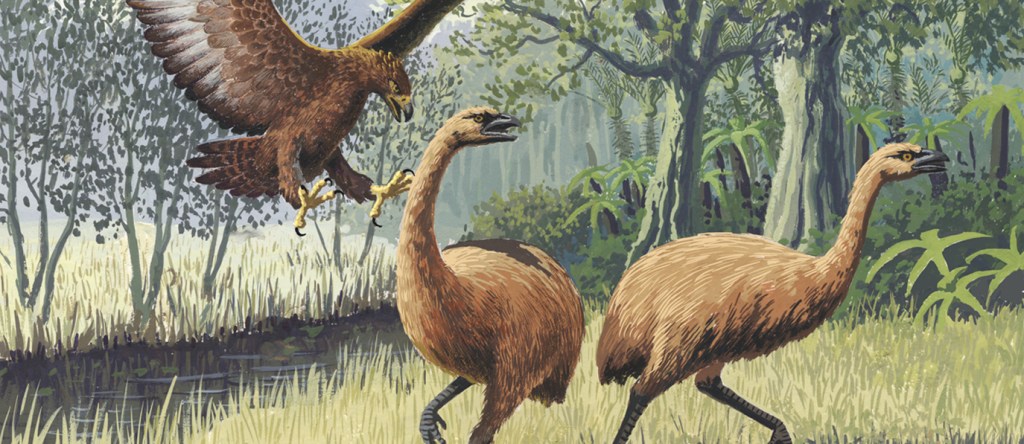
Image Credit: Moa by John Megahan, used under CC BY 2.0 / Cropped from original. Moa, the gigantic, flightless birds that once roamed New Zealand, are an iconic example of extinct megafauna. These birds, belonging to the Dinornithiformes family, have intrigued scientists for years, but much remains unknown about their feeding habits, niche partitioning, and…
-
The predatory behaviour of an extinct ‘cat-like’ marsupial carnivore

Nimbacinus dicksoni was a cat-sized marsupial carnivore from the Thylacinidae family, weighing around 5 kg. It roamed the Australian landscape during the Miocene, and its fossils have been uncovered in Tertiary deposits at Riversleigh in north-western Queensland and Bullock Creek in the Northern Territory. Nimbacinus belonged to the extinct Thylacinidae family, which includes twelve species,…
-
Could the extinct giant short-faced kangaroo hop?
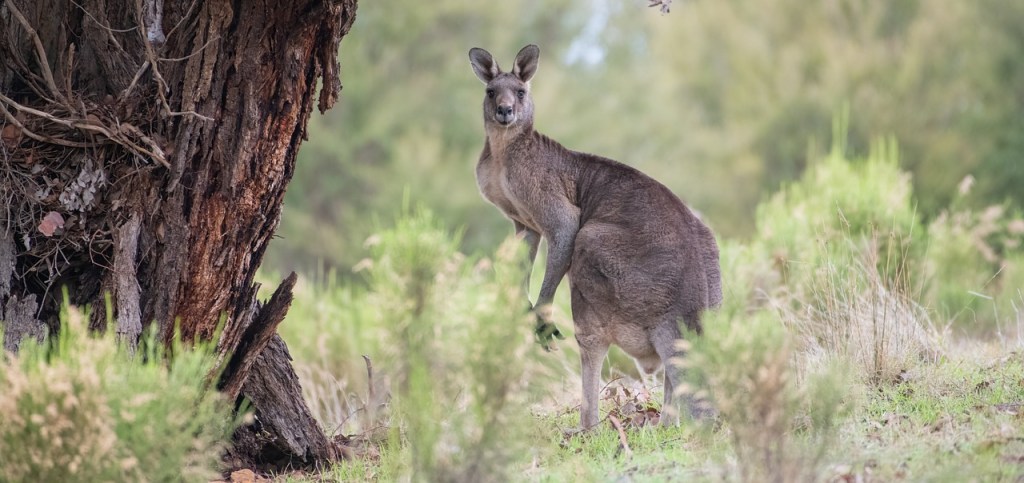
Image by Penny from Pixabay The giant short-faced kangaroo Simosternus occidentalis is one of the largest-known kangaroos that ever existed. It weighed up to 180 kg—roughly the size of a modern grey kangaroo but much bulkier. This species roamed the earth until it went extinct around 50,000 years ago, although some evidence suggests it may…
-
Did Neanderthals speak? Insights from hyoid bone analysis

Image by Frank Rietsch from Pixabay The question of whether Neanderthals, our ancient relatives, were capable of speech or complex language has long been a subject of intense debate. The 1989 discovery of the hyoid bone from a Neanderthal specimen at Kebara Cave in Israel reignited this debate. The hyoid is a small, U-shaped bone…
-
Marsupial carnivores: Feeding ecology and habitat use in Australia’s unique predators

Decline and Extinction Threats to Australia’s Marsupial Carnivores In Tasmania, European settlement brought profound changes to the island’s native carnivores. Historically, Tasmania’s carnivore guild included the iconic thylacine, alongside three dasyurids: the Tasmanian devil, spotted-tailed quoll, and eastern quoll. Thylacines, distributed across the island apart from the southwest, faced rapid population declines. Despite clear signs…
-
Vocal recognition in male Australian sea lions

Male Australian sea lions aggressively defend groups of females during the breeding season, using unique vocalizations—a series of sharp barks—to ward off rival males. Their breeding cycle is unusual, spanning over 17 months rather than occurring annually, and it’s not synchronized across colonies, meaning each breeding colony has its own schedule. For my honours project,…

 Marie Attard