• About me
  • Research
  • Publications
  • Presentations & Teaching
  • Media coverage

Research

My research spans a broad range of topics within conservation biology and evolutionary science, unified by a focus on understanding, protecting, and conserving biodiversity. The interdisciplinary nature of my work covers three main themes: Evolution and Ecology, Remote Sensing, and Animal Behaviour. Each theme reflects a different dimension of my work, from uncovering evolutionary patterns and ecological interactions to developing satellite-based methods for species monitoring and studying unique animal behaviours that support survival in diverse environments.

Evolution and Ecology

Exploring the diversity of life and the evolutionary mechanisms that shape species’ adaptations and resilience. My research in this area focuses on understanding how species respond to environmental challenges, both past and present, and what drives their physiological and morphological diversity. From studying the feeding ecology of extinct marsupials to investigating the evolution of unique eggshell traits across hundreds of species, this research uncovers insights into how animals have adapted over time and what that means for their future.

Animal Behaviour

Understanding animal behaviour is key to grasping how species interact with their environment and with each other. My research examines behavioural adaptations across a range of species, with studies that span from vocal recognition in sea lions to the nesting behaviour of birds. By investigating behavioural traits and their ecological significance, I aim to shed light on the evolutionary pressures that shape animal behaviour and how these behaviours contribute to species survival in changing environments.

Remote Sensing

Using cutting-edge satellite technology, I currently monitor seabird populations on remote and often inaccessible islands, providing crucial data for conservation. This work, funded by Darwin Plus, focuses on developing methods to assess populations of species like albatrosses, shags, and burrowing petrels. Remote sensing enables us to track species on a large scale and in areas where traditional field methods are challenging, advancing our ability to protect endangered seabirds and informing broader conservation strategies.
Research projects

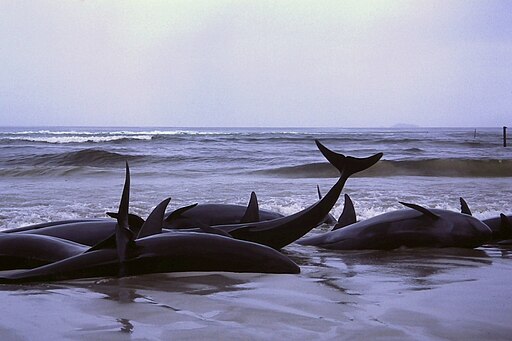
  • Toothed whales from space: Counting stranded individuals using optical and SAR satellite imagery

    Toothed whales from space: Counting stranded individuals using optical and SAR satellite imagery

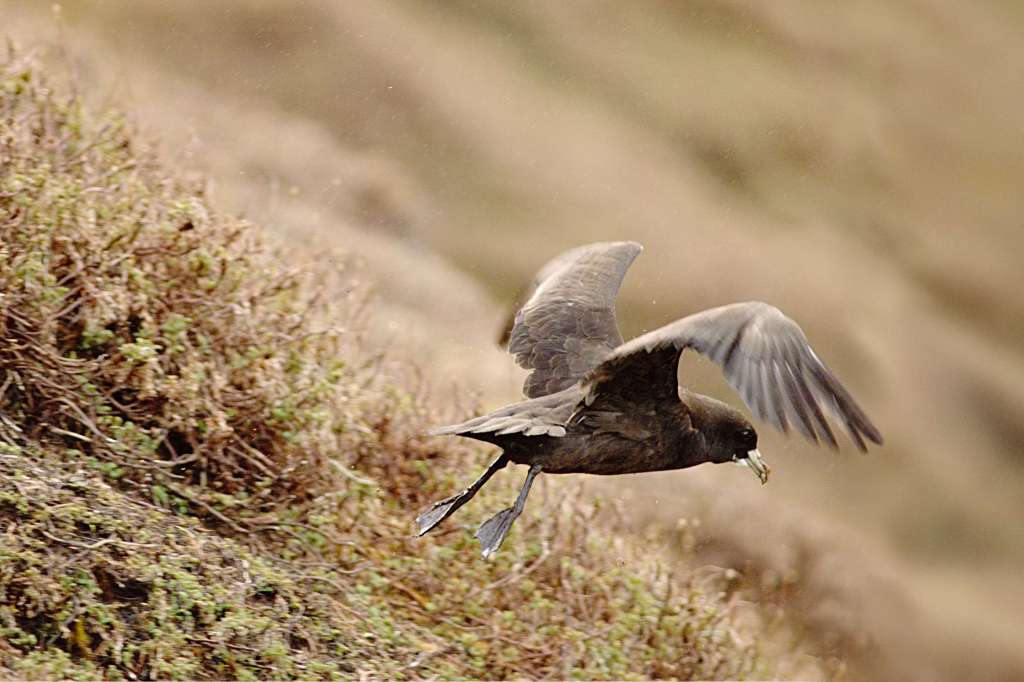
  • Monitoring seabird populations on South Georgia: Advancements in remote Sensing

    Monitoring seabird populations on South Georgia: Advancements in remote Sensing

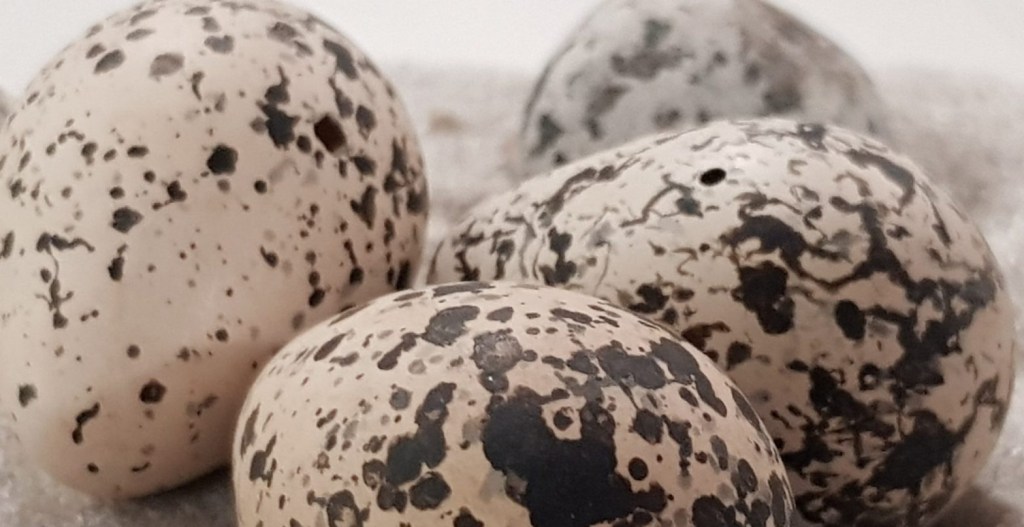
  • Exploring eggshell evolution: How surface structure aids bird survival across habitats

    Exploring eggshell evolution: How surface structure aids bird survival across habitats

  • Citizen science campaign: Monitoring wandering albatrosses using very-high resolution satellite imagery

    Citizen science campaign: Monitoring wandering albatrosses using very-high resolution satellite imagery

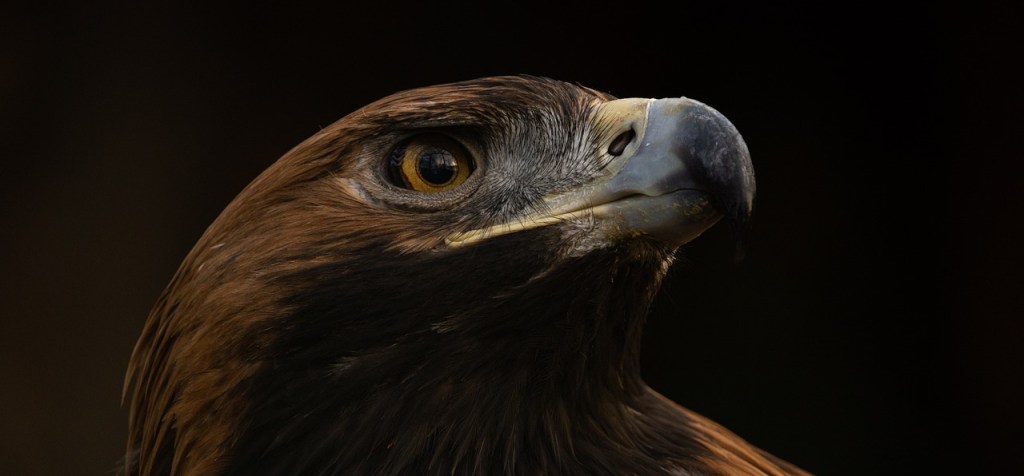
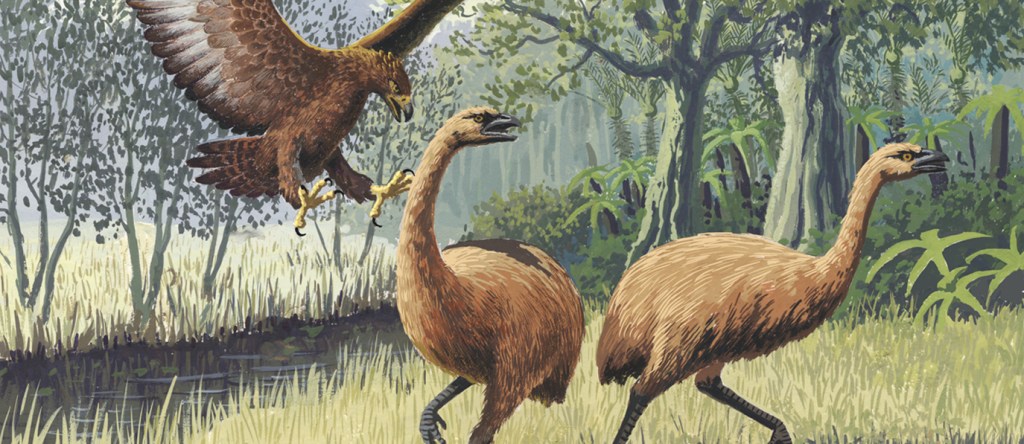
  • Hunter of scavenger? Predatory behaviour of the extinct Haast’s eagle

    Hunter of scavenger? Predatory behaviour of the extinct Haast’s eagle

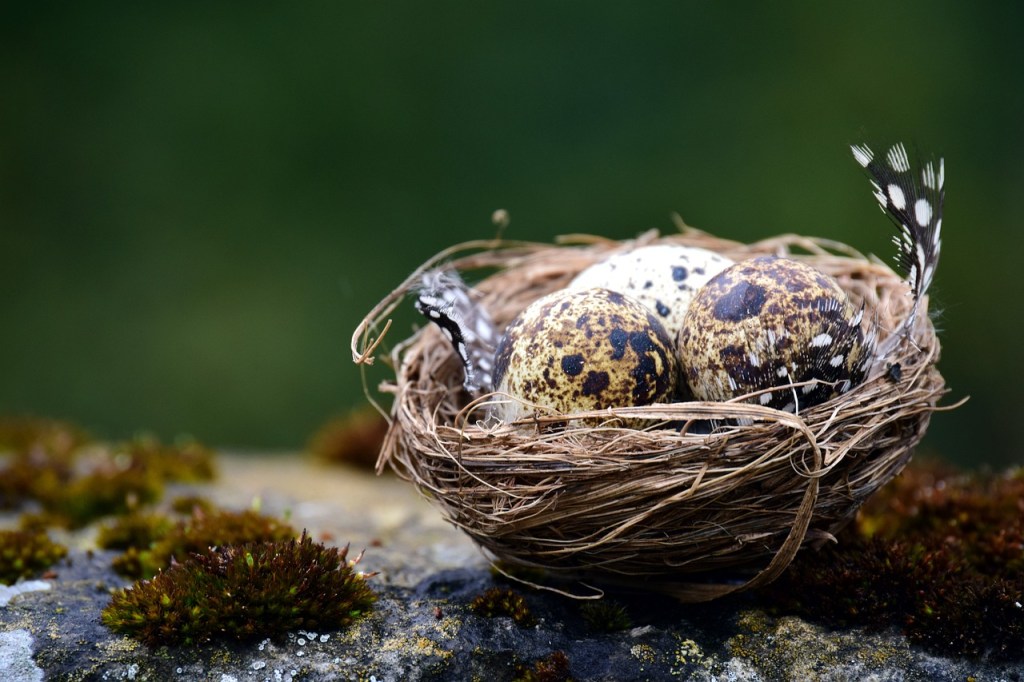
  • Avian eggshell conductance and life history: How birds adapt to extreme climates

    Avian eggshell conductance and life history: How birds adapt to extreme climates

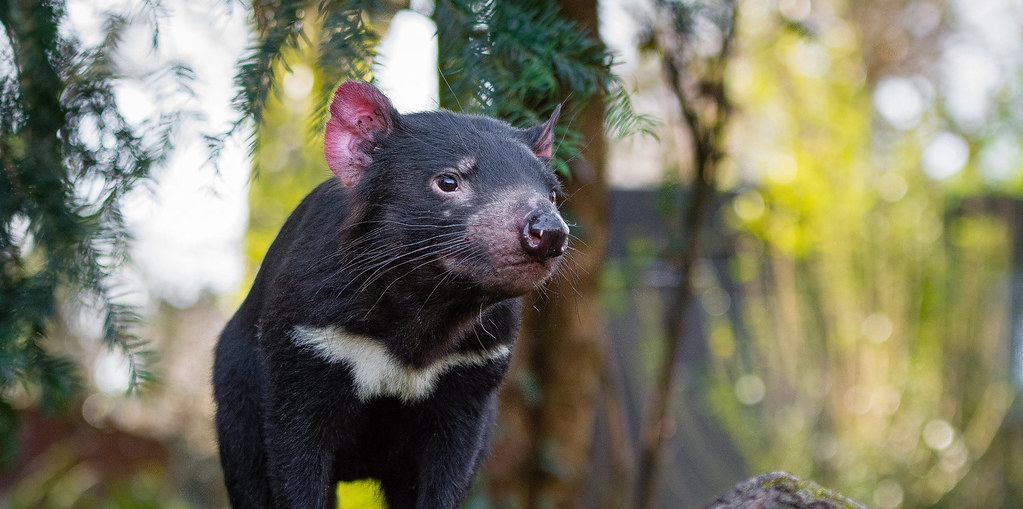
  • The biological time machine: using whiskers to monitor the behaviour of Tasmanian devils

    The biological time machine: using whiskers to monitor the behaviour of Tasmanian devils

  • Raptor talon shape and biomechanical performance determines prey size

    Raptor talon shape and biomechanical performance determines prey size

  • Exploring the secrets of seabird nesting: How guillemots choose the perfect spot

    Exploring the secrets of seabird nesting: How guillemots choose the perfect spot

  • Egg shape mimicry in brood parasites

    Egg shape mimicry in brood parasites

  • Moa diet fits the bill: Exploring the feeding strategies of extinct giants

    Moa diet fits the bill: Exploring the feeding strategies of extinct giants

  • The predatory behaviour of an extinct ‘cat-like’ marsupial carnivore

    The predatory behaviour of an extinct ‘cat-like’ marsupial carnivore

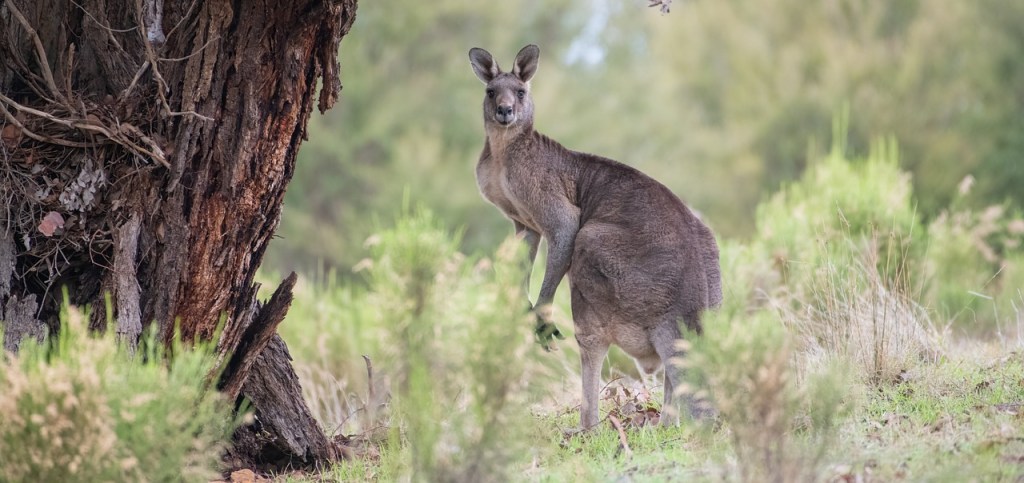
  • Could the extinct giant short-faced kangaroo hop?

    Could the extinct giant short-faced kangaroo hop?

  • Did Neanderthals speak? Insights from hyoid bone analysis

    Did Neanderthals speak? Insights from hyoid bone analysis

  • Marsupial carnivores: Feeding ecology and habitat use in Australia’s unique predators

    Marsupial carnivores: Feeding ecology and habitat use in Australia’s unique predators

  • Vocal recognition in male Australian sea lions

    Vocal recognition in male Australian sea lions

LOCATION

British Antarctic Survey High Cross, Madingley Rd, Cambridge CB3 0ET

HOURS

Monday-Wednesday & Friday, 8am-6pm

CONTACT

maratt@bas.ac.uk

  • Subscribe Subscribed
    • Marie Attard
    • Already have a WordPress.com account? Log in now.
    • Marie Attard
    • Subscribe Subscribed
    • Sign up
    • Log in
    • Report this content
    • View site in Reader
    • Manage subscriptions
    • Collapse this bar

Notifications