-
The biological time machine: using whiskers to monitor the behaviour of Tasmanian devils
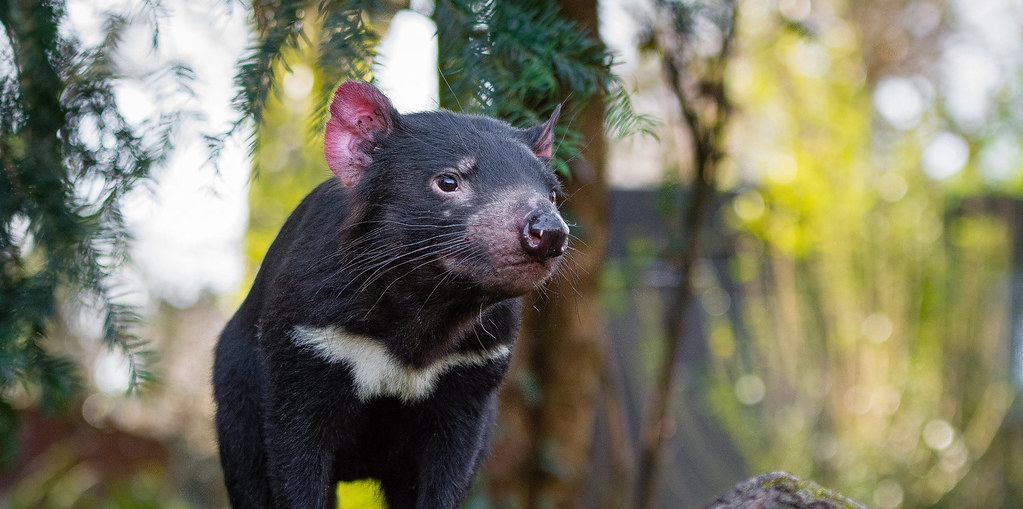
Efforts to conserve the endangered Tasmanian devil are often hindered by a limited understanding of their behaviour in the wild. To address this, innovative approaches are needed to gather data on their diet and movement patterns. One promising technique involves analysing the stable isotope signatures in animal tissues, which can provide valuable insights into an…
-
Raptor talon shape and biomechanical performance determines prey size

Image by Josiane Boute from Pixabay Raptors, or birds of prey such as hawks, vultures, and buzzards, are known for their powerful talons, which are essential for capturing and killing prey. However, despite their significant role in hunting, the variation in talon shape and its impact on a raptor’s ability to capture prey has remained…
-
Egg shape mimicry in brood parasites
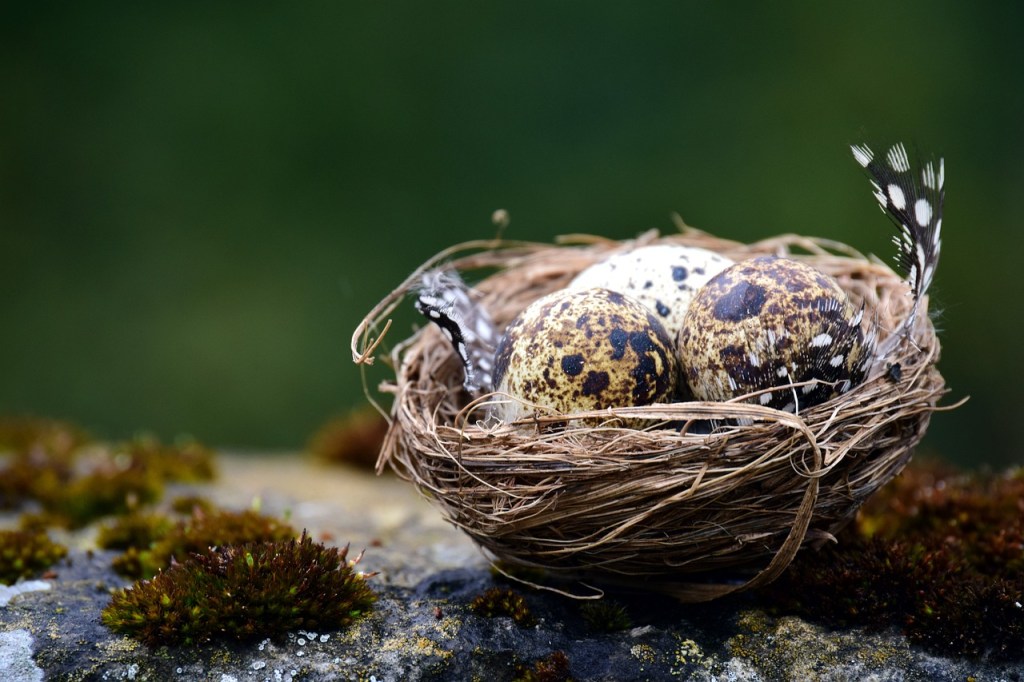
Image credit: Pixabay / laurent.breillat Raising offspring can be a daunting task – one that demands significant time, energy, and resources. But what if you could skip the hard work and leave the burden to someone else? For some species, that’s exactly what they do. In the animal kingdom, around 1% of all bird species…
-
Moa diet fits the bill: Exploring the feeding strategies of extinct giants
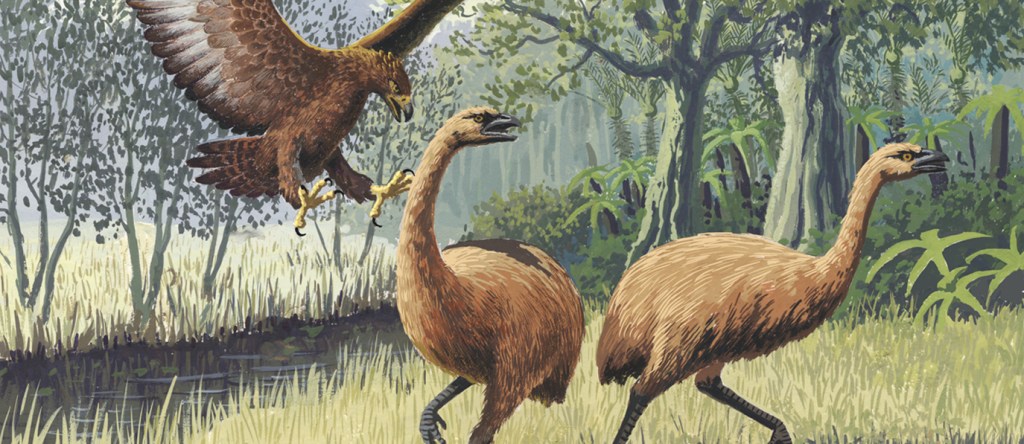
Image Credit: Moa by John Megahan, used under CC BY 2.0 / Cropped from original. Moa, the gigantic, flightless birds that once roamed New Zealand, are an iconic example of extinct megafauna. These birds, belonging to the Dinornithiformes family, have intrigued scientists for years, but much remains unknown about their feeding habits, niche partitioning, and…

 Marie Attard